Essential Guide to Bridal Alterations -Why Every Bride Needs Them
- luxeandlacelockhav
- Jul 11
- 3 min read

Every bride dreams of walking down the aisle in a dress that fits perfectly and feels just right. Yet, very few wedding gowns come off the rack ready to wear without some adjustments. Bridal alterations are a crucial step in making your wedding dress truly yours. This guide explains why most brides need alterations, what those changes usually involve, and how to navigate the process smoothly.
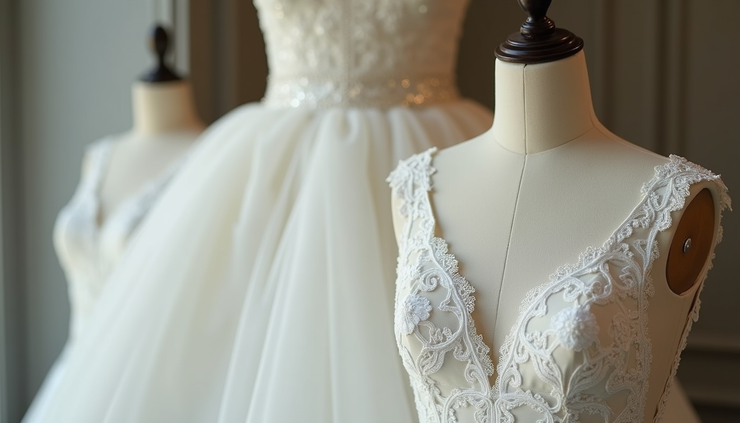
Why Most Brides Need Bridal Alterations
Wedding dresses are often made in standard sizes that cannot perfectly match every bride’s unique body shape. Even if you find a dress that fits well in one area, it may be loose or tight in others. Factors like height, bust size, waist shape, and posture all affect how a dress fits.
Bridal gowns also tend to have intricate designs and delicate fabrics that require expert handling. A dress that is too long can cause tripping, while a dress that is too loose can feel uncomfortable and look unflattering in photos. Alterations ensure your dress complements your figure and allows you to move with ease.
Many brides underestimate the importance of alterations until they try on their dress for the first time. Alterations are not just about size; they also help refine the style to match your vision. Whether it’s adding sleeves, changing necklines, or adjusting embellishments, alterations personalize your gown.
What Bridal Alterations Include
Alterations cover a range of adjustments to improve fit, length, and style. Here are the most common types:
Fit Adjustments
Taking in or letting out seams: To make the dress tighter or looser around the bust, waist, or hips.
Adjusting darts and princess seams: These shape the dress to your body contours.
Reshaping the bodice: For better support and comfort, especially if the dress has built-in cups or boning.
Shortening or lengthening straps: To ensure the dress sits correctly on your shoulders.
Length Adjustments
Hemming the skirt: To prevent the dress from dragging on the floor.
Adjusting the train: Some brides prefer a shorter train or a bustle to lift the train for dancing.
Altering the veil or underskirt: To match the new dress length.
Style Changes
Adding or removing sleeves: For modesty or style preference.
Changing necklines: For a different look or better fit.
Adding embellishments: Such as lace appliques, beads, or ribbons.
Modifying the back: For example, changing a zipper to buttons or adding a corset back.
Each alteration requires skill and experience to maintain the dress’s integrity and beauty. Timing is also important; most brides schedule their first fitting about 6 to 8 weeks before the wedding and a final fitting closer to the date.
How to Approach Bridal Alterations
Planning your alterations early helps avoid last-minute stress. Here are some tips:
Schedule fittings with enough time: Allow at least 4 to 6 weeks for all adjustments.
Wear the right undergarments: Bring the shoes and lingerie you plan to wear on your wedding day.
Communicate clearly: Bring photos or ideas if you want style changes.
Trust the professionals: Experienced seamstresses understand how to work with delicate fabrics and complex designs.
Our Role and Recommendations
While we do not offer in-house alteration services, we understand how important this step is for every bride. To support you, we provide a list of trusted local seamstresses who specialize in bridal alterations. These professionals have a strong reputation for quality work and attention to detail.
Please note, we are not affiliated with these seamstresses and do not manage their services. We recommend contacting them directly to discuss your needs, pricing, and availability.
Final Thoughts on Bridal Alterations
Bridal alterations transform a beautiful dress into the perfect gown for your special day. They ensure comfort, confidence, and a flawless look in every photo. By understanding what alterations involve and planning ahead, you can enjoy the process and focus on the joy of your wedding.
If you are preparing for your fittings, start by reviewing your dress and noting any concerns about fit or style. Reach out to a professional seamstress early to secure your spot. Remember, the right alterations make all the difference in how you feel walking down the aisle.
Your wedding dress is one of the most important garments you will ever wear. Treat it with care and expert attention to make your bridal vision come true.


Comments